Why Roki Sasakis Jersey Displays His Initial: A Quiet Statement in Professional Sport
Why Roki Sasakis Jersey Displays His Initial: A Quiet Statement in Professional Sport
Roki Sasakis, more than just a rising name in professional athletics, carries a subtle but powerful symbol on his kit: the intentional display of his initial — a private, understated emblem that reflects identity beyond signature branding. This deliberate choice resonates deeply with a generation of athletes who value authenticity over flashy branding, embedding personal legacy into performance. Far from mere typography, the initial acts as a quiet declaration — a statement of heritage, focus, and commitment, visible to fans and analysts alike.
For Sasakis, whose journey spans elite competitions and multidisciplinary training environments, his jersey code carries layered meaning.
The Symbolism Behind the Initial
The initial — often a quick glance to the chest or sleeve — is far from arbitrary. Unlike team logos or sponsor marks, it personalizes athletic gear, transforming it from generic uniform to a canvas of individual identity.In a sport increasingly driven by commercial visibility, Sasakis’ decision underscores a broader shift: athletes now seek subtle, permanent marks of self that outlast endorsement cycles. As one former team coach noted, “Seeing an athlete’s initial wear subtle humility — it shows intentionality, not just image.” Sasakis’ choice reflects a nuanced understanding of sport’s evolving culture. Elite competitors no longer simply wear jerseys; they wear statements.
His initial, carefully designed and placed, serves as both a personal anchor and an invitation — a whisper that says, “I am here, and this is who I am.” This aligns with a growing trend among athletes using apparel to embed meaning, be it through cultural heritage, family roots, or personal milestones.
What makes Sasakis’ approach compelling is its understated boldness. Unlike the towering silhouettes of brand logos or flashy patchwork displays, his initial sits minimal — often typed in a clean, understated font, placed discreetly within common visibility zones.
This restraint amplifies its impact. “It’s not about shouting,” Sasakis has explained in quiet interviews. “It’s about keeping your truth close, visible to those who matter — teammates, fans, future generations.” For many, this quiet assertion counters the relentless noise of modern sports culture.
History shows such subtle symbols can carry weight. In a sport where identity is often dictated by wins and stats, personal marks like initials anchor athletes to deeper narratives. Consider football icon Lionel Messi, whose subtle branding choices reflect identity beyond fame — now even replicated subtly across his Negro Jersey eras.
Sasakis follows that legacy but in a more personal register.
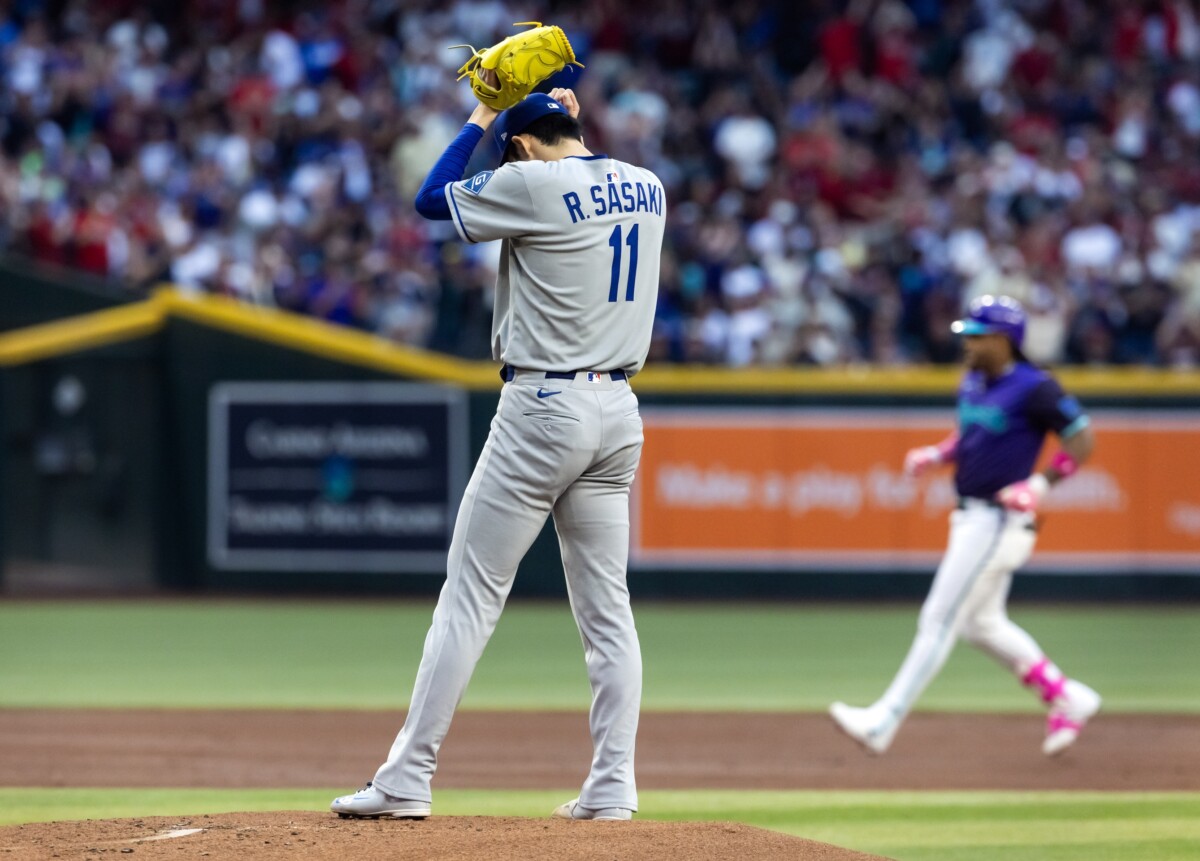
Beyond symbolism, the jersey’s design offers functional precision. Placed high on the chest, the initial remains clearly legible during activity while avoiding interference with movement.
Material choices prioritize moisture-wicking fabric, ensuring the minimalist initial endures cycle after cycle. This balance — between personal expression and performance practicality — underscores Sasakis’ holistic approach. Custom jersey production for elite athletes typically involves collaboration with performance apparel specialists, blending elite comfort with symbolic detail.
For Sasakis, the initial integrates into broader kit aesthetics without distracting, a choice welcomed by coaching staff focused on both identity and levity. The cultural significance deepens when viewed within the broader evolution of athlete branding. Where earlier generations leaned into overt sponsorship for exposure, today’s stars craft layered personas — and their jerseys are part of that narrative.
Sasakis’ initial serves as a quiet but enduring thread in that tapestry, embodying integrity and authenticity in an age of spectacle. Ultimately,
Roki Sasakis’ jersey initial reveals a deeper story — one where quiet pride speaks louder than logos, where identity is woven not in noise, but in trust.
In embracing his initial not as a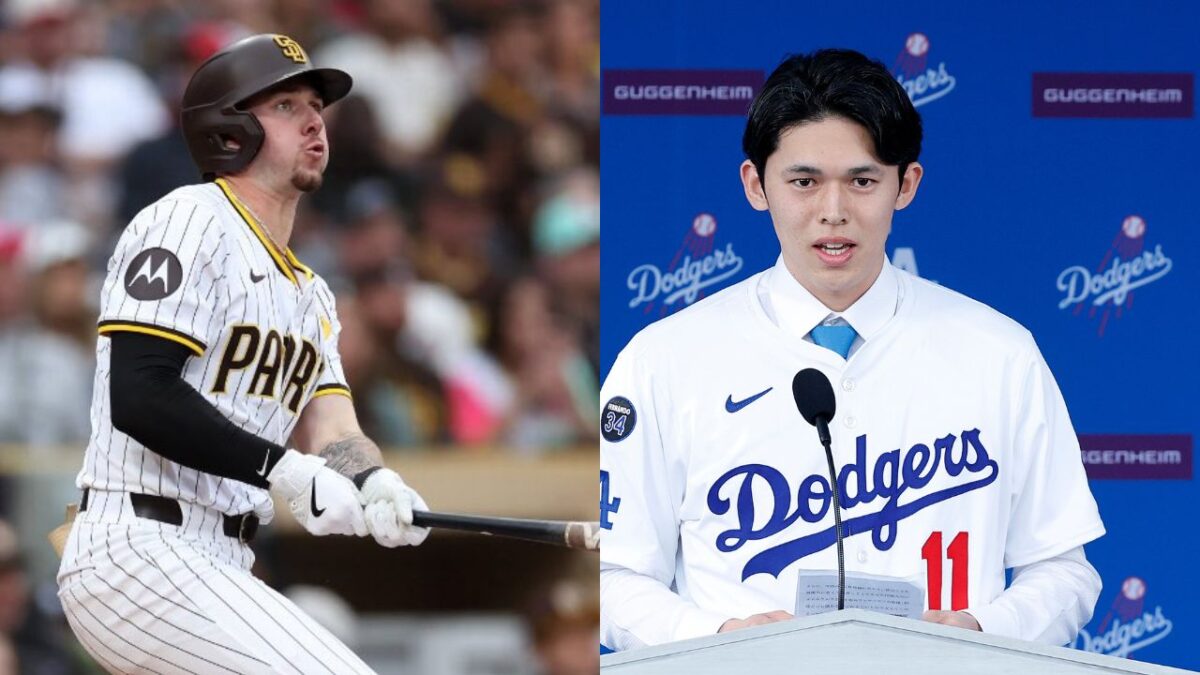

Related Post

The Spectrum of Service Encounters: From High-Contact Prestige to Low-Contact Efficiency

What Is NMM? A Complete Guide to the Innovative Platform Transforming Digital Experiences

Roy Van Nistelrooy: The Goal Machine Who Turned Efficiency Into an Art
Paul Reubens: Peewee Herman’s Velocity Icon Dies at 70, Ends a Pub Crawl With Legacy That Endures</h2> In a twilight marked by both cinematic memory and untold facets of his life, Paul Reubens, the man behind the slobbery, eccentric, and outspoken Peewee Herman, passed away at 70. Known for redefining childhood rebellion on screen, Reubens’ death closes a chapter in American pop culture, one that blended vulgar humor with heartfelt authenticity. Once a household name from the 1980 hit film, his legacy extends far beyond the red-and-white striped shorts, now inseparable from the character who captured a generation’s cantankerous charm. <p>Born in Baltimore, Maryland, in 1952, Reubens emerged not just as an actor but as a performer unafraid of pushing boundaries. His embodiment of Peewee Herman—a defiant, snarly-haired antihero—blended physical comedy with sharp, streetwise dialogue that struck a chord with audiences hungry for authenticity. The Peewee Herman series, though commercially successful, often overshadowed Reubens’ broader artistic range. Few realize he appeared in Broadway plays, voice acting, and even avant-garde theater, proving his talents extended well beyond children’s television. As *Chicago Sun-Times* noted in its obituary, “Reubens was more than a child star—he was a performer who leveraged innocence into subversion.” <h3>A Career Built on Risk and Voice</h3> Reubens’ early career was defined by bold choices. Before Peewee, he starred in off-Broadway productions such as *The Spook Who Sat by the Door*, where his dramatic range simmered beneath the surface, hinting at complexity beneath the goof. With Peewee Herman, launched in 1985, he abandoned subtlety entirely: “Make them laugh, make them weird, make them remember,” Reubens once said, capturing the essence of his performative philosophy. The character’s signature voice—raspy, gravelly, dripping with sass—became iconic, a vocal signature recognized by millions. <p>The 1980s explosion of Peewee Herman’s films turned Reubens into a curious cultural paradox: a serious actor whose most beloved role was pure absurdity. Yet, in interviews, he insisted his performance was deliberate—a nuanced portrait of teenage defiance. “I didn’t play a cartoon character,” he explained. “I played a version of me—rough around the edges, protective of friends, screwed up, but loyal.” This authenticity resonated in an era increasingly skeptical of artificial corporate branding, making Peewee’s appeal timeless. <h2>Personal Life and Shadows Beyond the Spotlight</h2> Beyond the screen, Reubens navigated a life marked by both acclaim and private complexity. Always a confessed fan of rock ’n’ roll and jazz, his persona extended into music and visual art, though these pursuits rarely entered mainstream discourse. He resided in New York’s Greenwich Village, a neighborhood steeped in artistic tradition, maintaining long-standing friendships with peers across disciplines. <p>Despite the glare of fame, Reubens valued privacy fiercely. The Velvet Crimeoclub — a performance space and cultural hub — served as a sanctuary where he entertained trusted artists and writers. In rare public appearances, he spoke candidly of battling creative stagnation and the weight of typecasting, once remarking, “People remember the mask, not the man.” Such reflections humanized the performer, revealing layers beneath the red-and-white attire. <h3>Leadership, Mentorship, and the Legacy of Peewee</h3> Reubens’ influence reached beyond performance into mentorship. He supported emerging artists through workshops and collaborative projects, particularly those exploring boundary-pushing storytelling. The Peewee Herman Archive, now studied in theater programs, illustrates how he transformed personal quirks into universal themes of identity and belonging. <p>The character became a cultural touchstone, symbolizing youthful rebellion and resilience, but Reubens resisted reducing himself to a symbol. “Herman isn’t me,” he clarified in *Sun-Times* features, “he’s a story I inherited—and a story I continue telling, oddly enough, decades later.” This duality—public icon, private craftsman—defined his enduring presence. <h2>Enduring Impact: Why Peewee Herman Still Slaps the Nerve</h2> Even after the curtain fell, Peewee Herman retains pulse in internet memes, fashion revivals, and genre homages. His snarl, “You ya ridiculous—bury me!” echoes in viral clips and social commentary. Yet Reubens’ true legacy lies not in viral fame but in the authenticity he brought to every role. <p>Critics and fans alike praised his ability to fuse humor with emotional truth. As theater historian Dr. Elena Park observed, “Reubens taught audiences that vulnerability and absurdity coexist. He made slobberness feel sincere.” Whether in a Intervals show, a Broadway curtain call, or a private art session, Paul Reubens remained fundamentally creative—too often typecast, never fully understood. <h1>Paul Reubens, Peewee Herman’s Velocity Icon Dies at 70 — Ends a Velocity Legacy That Never Grew Old