Eminem Bro: The Complex Legacy of the Most Influential Rap Prophet of a Generation
Eminem Bro: The Complex Legacy of the Most Influential Rap Prophet of a Generation
From the fringes of Detroit to the global stage, Eminem Bro emerges not just as a rapper but as a cultural phenomenon—artist, provocateur, and unwavering voice of raw honesty. With each release, Eminem challenges boundaries, dissecting trauma, addiction, identity, and societal decay through a lyrical lens that is as sharp as it is intimate. His impact transcends music, shaping how a generation processes pain, pride, and personal evolution.
Eminem Bro didn’t follow a conventional path; his rise was forged in turbulence. Born Marshall Bruce Mathers III in St. Clair Shores, Michigan, his early life was marked by poverty, family instability, and repeated brushes with the law.
These experiences, rather than silencing him, became the raw material for his art. As he once said in an interview with What distinguishes Eminem Bro is his unflinching narrative authenticity. Unlike many artists who curate personas, he lays bare his vulnerabilities—his struggles with alcoholism, childhood abuse, and public scrutiny—with candid precision. This authenticity fuels his music’s power, earning him both critical acclaim and fierce debate. Critics have noted his lyrical discipline: *“Every line is intentional. Even the profanity carries weight,”* observes music journalist Andrew Gray of NME. His ability to shift between biting satire, heartfelt confession, and storytelling virtuosity ensures his work resonates across demographics. The Eminem Bro persona—Slim Shady, Bad Meets Evil, M&M—serves as a creative safeguard, enabling experimentation without exposing his real-life self to undue exposure. This duality allows him to explore dark themes freely while maintaining personal resilience. Tracks like *“Stan”* (featuring Dido), a chilling descent into obsession and guilt, reveal his knack for psychological storytelling. Similarly, *“Mockingbird*” confronts redemption and paternal responsibility with emotional depth rarely matched in mainstream rap. Eminem’s influence extends beyond music into cultural discourse. He has shattered stereotypes about white rappers from industrial regions, proving regional authenticity can fuel global relevance. His success opened doors for artists from non-traditional hip-hop backwaters, reinforcing that regional voice, not studio pedigree, defines artistic legitimacy. Moreover, his public battles with addiction—including a well-documented withdrawal and subsequent long-term recovery—have humanized him, sparking broader conversations about mental health in the music industry. Mathematically, Eminem’s career aces milestones: 15 Grammy Awards, a number of albums certified platinum or multi-platinum worldwide, and consistent chart dominance for over two decades. Yet intangibly, his reach is immeasurable. He’s not only a musician but a mentor—producing and discovering talent through Shady Records, including collaborators like 50 Cent and Young Buck—cultivating a legacy beyond hit songs. His engagement with social issues, though filtered through personal lens, adds layers to his public image. Support for military families, such as his 2008 charity single *“Curmerce”*, and advocacy for mental health awareness reflect a consciousness rooted in empathy. This balance—graphic storytelling paired with genuine care—cements his status as a modern-day voice with moral weight. Eminem Bro’s artistry is defined by a paradox: raw, unfiltered truth delivered with technical brilliance, all while navigating personal chaos with unexpected restraint. He exemplifies how artistic integrity and commercial success can coexist, not through compromise, but through fearless ownership of one’s story. In an era of image sanitization, his commitment to authenticity is not just artistic—it’s revolutionary, reminding listeners that vulnerability, when wielded with skill, becomes strength. Ultimately, Eminem Bro is more than a rapper; he is a cultural barometer, reflecting and challenging societal norms through art that refuses to soften the edges of truth. His legacy is not just in record sales, but in the billions person who found their voice, heard their struggles reflected, and felt less alone through his unvarnished words. As he continues to evolve—experimenting with film, spoken word, and legacy projects—Eminem Bro remains not only a figure in hip-hop history but a living testament to music’s power to transform pain into power.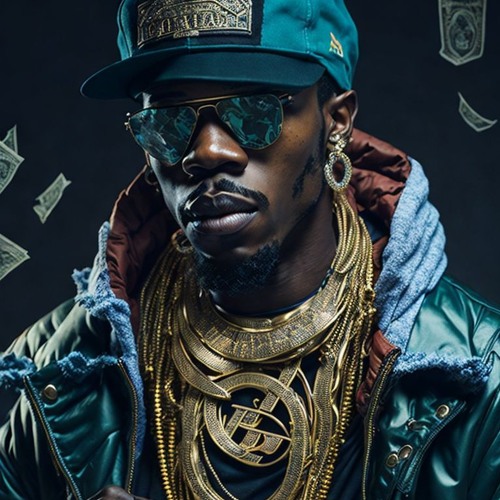

Related Post

The Unseen Bridge: Michael Mathers and the Eminem Family Legacy

Michael Mathers: Eminem’s Unexpected Brother in the Shadows of Rap’s Legacy
Paul Reubens: Peewee Herman’s Velocity Icon Dies at 70, Ends a Pub Crawl With Legacy That Endures</h2> In a twilight marked by both cinematic memory and untold facets of his life, Paul Reubens, the man behind the slobbery, eccentric, and outspoken Peewee Herman, passed away at 70. Known for redefining childhood rebellion on screen, Reubens’ death closes a chapter in American pop culture, one that blended vulgar humor with heartfelt authenticity. Once a household name from the 1980 hit film, his legacy extends far beyond the red-and-white striped shorts, now inseparable from the character who captured a generation’s cantankerous charm. <p>Born in Baltimore, Maryland, in 1952, Reubens emerged not just as an actor but as a performer unafraid of pushing boundaries. His embodiment of Peewee Herman—a defiant, snarly-haired antihero—blended physical comedy with sharp, streetwise dialogue that struck a chord with audiences hungry for authenticity. The Peewee Herman series, though commercially successful, often overshadowed Reubens’ broader artistic range. Few realize he appeared in Broadway plays, voice acting, and even avant-garde theater, proving his talents extended well beyond children’s television. As *Chicago Sun-Times* noted in its obituary, “Reubens was more than a child star—he was a performer who leveraged innocence into subversion.” <h3>A Career Built on Risk and Voice</h3> Reubens’ early career was defined by bold choices. Before Peewee, he starred in off-Broadway productions such as *The Spook Who Sat by the Door*, where his dramatic range simmered beneath the surface, hinting at complexity beneath the goof. With Peewee Herman, launched in 1985, he abandoned subtlety entirely: “Make them laugh, make them weird, make them remember,” Reubens once said, capturing the essence of his performative philosophy. The character’s signature voice—raspy, gravelly, dripping with sass—became iconic, a vocal signature recognized by millions. <p>The 1980s explosion of Peewee Herman’s films turned Reubens into a curious cultural paradox: a serious actor whose most beloved role was pure absurdity. Yet, in interviews, he insisted his performance was deliberate—a nuanced portrait of teenage defiance. “I didn’t play a cartoon character,” he explained. “I played a version of me—rough around the edges, protective of friends, screwed up, but loyal.” This authenticity resonated in an era increasingly skeptical of artificial corporate branding, making Peewee’s appeal timeless. <h2>Personal Life and Shadows Beyond the Spotlight</h2> Beyond the screen, Reubens navigated a life marked by both acclaim and private complexity. Always a confessed fan of rock ’n’ roll and jazz, his persona extended into music and visual art, though these pursuits rarely entered mainstream discourse. He resided in New York’s Greenwich Village, a neighborhood steeped in artistic tradition, maintaining long-standing friendships with peers across disciplines. <p>Despite the glare of fame, Reubens valued privacy fiercely. The Velvet Crimeoclub — a performance space and cultural hub — served as a sanctuary where he entertained trusted artists and writers. In rare public appearances, he spoke candidly of battling creative stagnation and the weight of typecasting, once remarking, “People remember the mask, not the man.” Such reflections humanized the performer, revealing layers beneath the red-and-white attire. <h3>Leadership, Mentorship, and the Legacy of Peewee</h3> Reubens’ influence reached beyond performance into mentorship. He supported emerging artists through workshops and collaborative projects, particularly those exploring boundary-pushing storytelling. The Peewee Herman Archive, now studied in theater programs, illustrates how he transformed personal quirks into universal themes of identity and belonging. <p>The character became a cultural touchstone, symbolizing youthful rebellion and resilience, but Reubens resisted reducing himself to a symbol. “Herman isn’t me,” he clarified in *Sun-Times* features, “he’s a story I inherited—and a story I continue telling, oddly enough, decades later.” This duality—public icon, private craftsman—defined his enduring presence. <h2>Enduring Impact: Why Peewee Herman Still Slaps the Nerve</h2> Even after the curtain fell, Peewee Herman retains pulse in internet memes, fashion revivals, and genre homages. His snarl, “You ya ridiculous—bury me!” echoes in viral clips and social commentary. Yet Reubens’ true legacy lies not in viral fame but in the authenticity he brought to every role. <p>Critics and fans alike praised his ability to fuse humor with emotional truth. As theater historian Dr. Elena Park observed, “Reubens taught audiences that vulnerability and absurdity coexist. He made slobberness feel sincere.” Whether in a Intervals show, a Broadway curtain call, or a private art session, Paul Reubens remained fundamentally creative—too often typecast, never fully understood. <h1>Paul Reubens, Peewee Herman’s Velocity Icon Dies at 70 — Ends a Velocity Legacy That Never Grew Old

Victoria BC Furnace Repair: Your Complete Guide to Reliable Heating Solutions